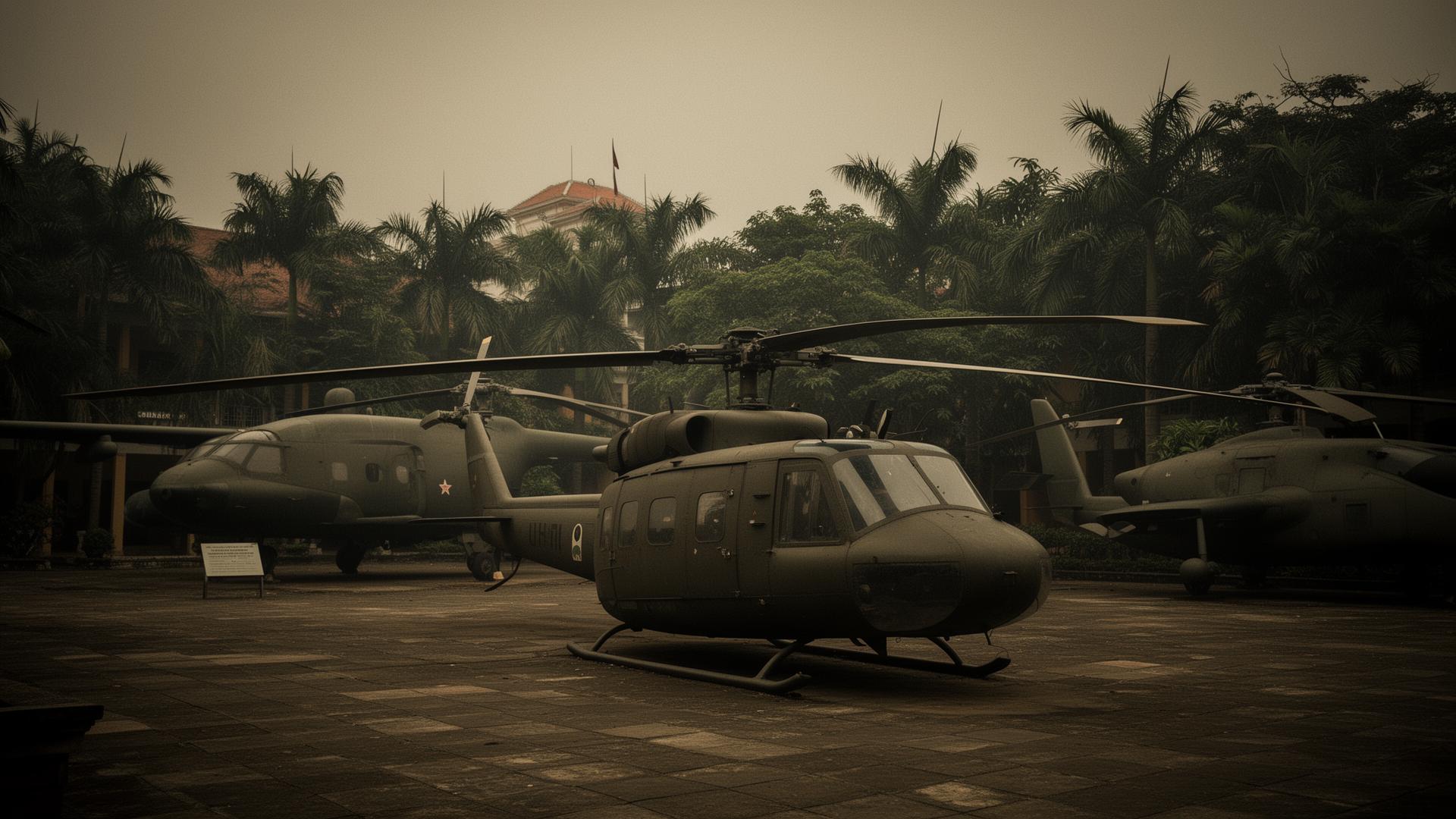
Military equipment01
The Outdoor Yard
A Bell UH-1 Huey, a Northrop F-5A, an M48 Patton tank, an A-1 Skyraider, and a quiet corner of defused unexploded ordnance.
A museum of memory · since 1975
An atmospheric landing page inspired by the museum's own quiet authority: photographs, artifacts, testimony, and a conversational DRH assistant ready in the corner.
About the museum
The War Remnants Museum opened in 1975 in the former United States Information Agency building. It documents the First Indochina War and the Vietnam War through images, objects, and the testimony of those who witnessed them.
The museum's title has changed with time, but its purpose remains the same: to preserve evidence, to remember loss, and to let history speak without softening the edges.
"The museum attempts to convey historical truths through self-representation."
Inside the walls
A cinematic museum-style landing page with archival imagery, a restrained palette, and a floating AI assistant ready to answer questions about the visit.
A Bell UH-1 Huey, a Northrop F-5A, an M48 Patton tank, an A-1 Skyraider, and a quiet corner of defused unexploded ordnance.
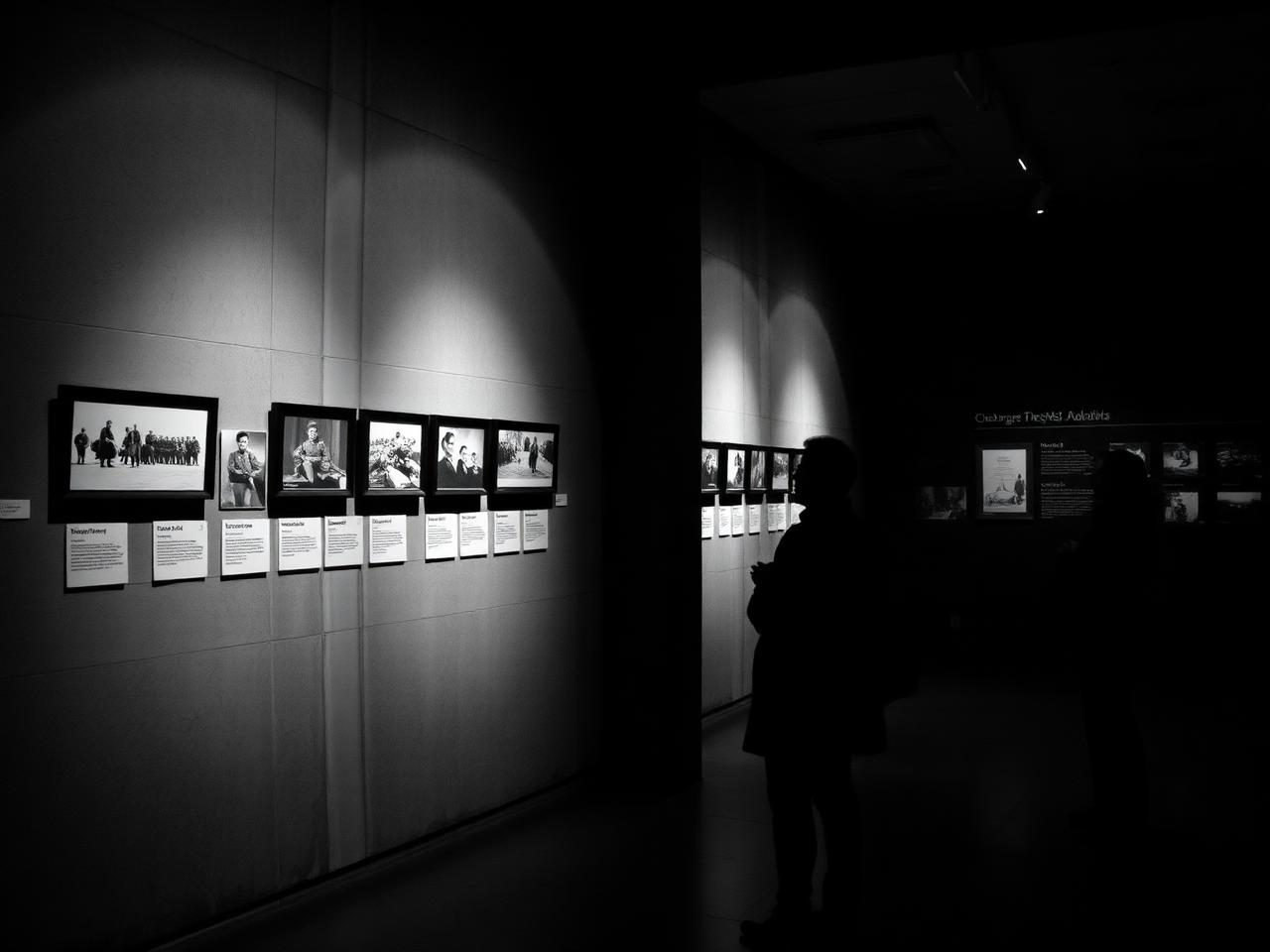
Photojournalism from the war, including the donated archive of Japanese photographer Bunyo Ishikawa and other eyewitness collections.
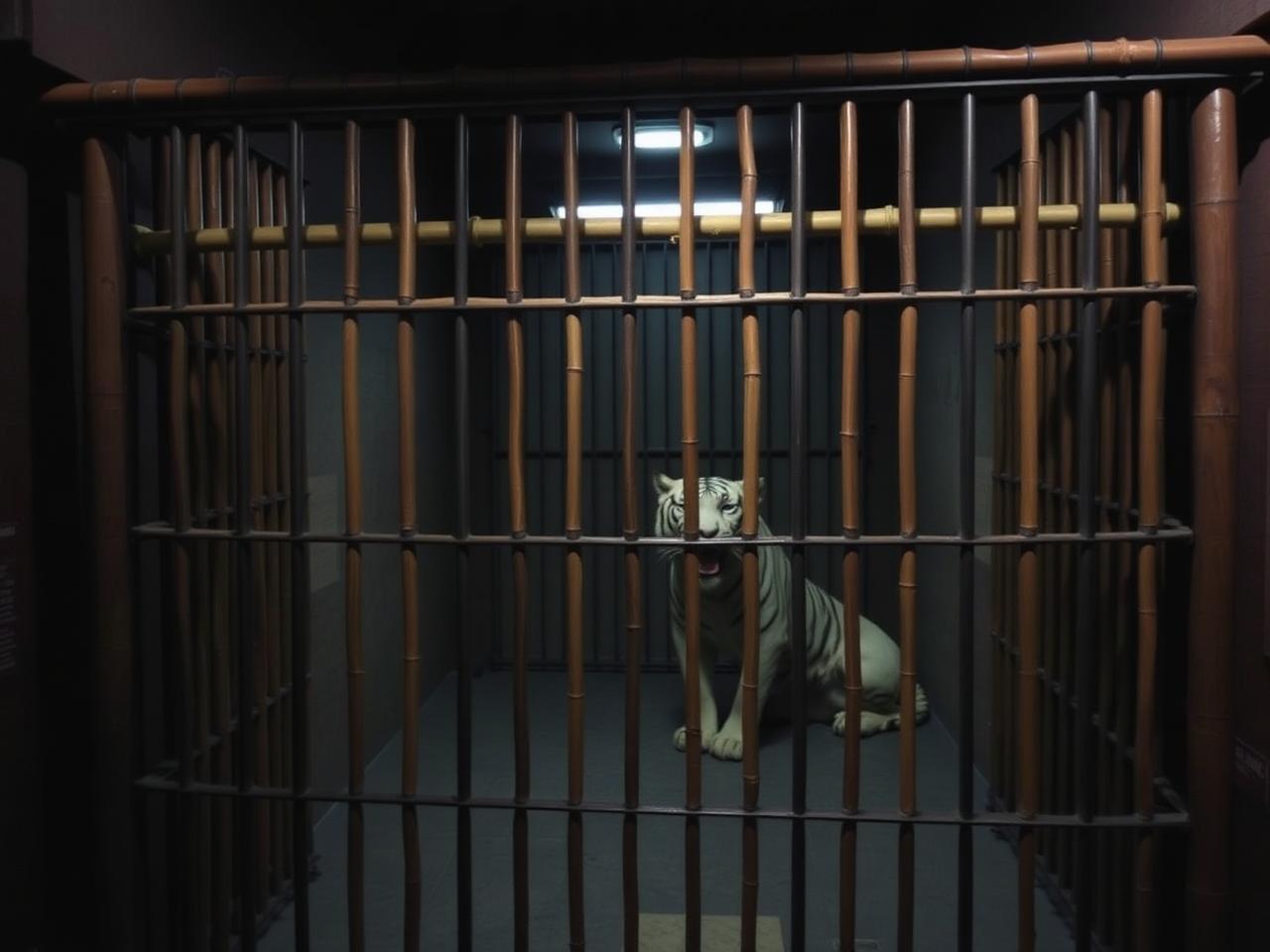
A reconstruction of the cells used to hold political prisoners, paired with objects that carry the texture of memory.
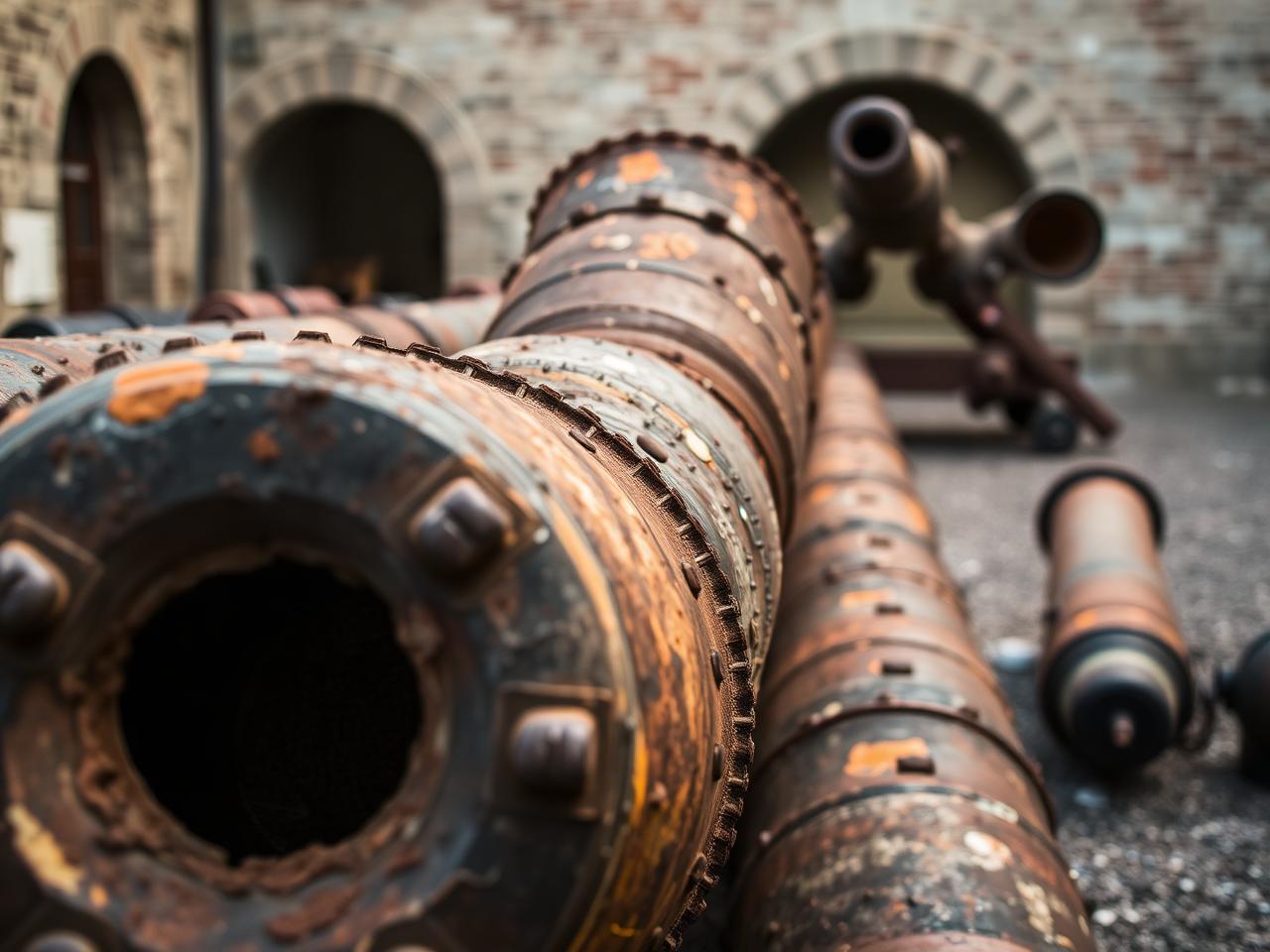
Bomb casings, armor, and remnants that turn military technology into evidence, rather than spectacle.
A changing name
The museum's title has been rewritten over time. Each revision quietly tracks the shifting relationship between Vietnam and the world.
The conflicts documented in the museum span the next three decades.
Founded just months after the war ends in the former U.S. Information Agency building.
The institution shifts to a name that speaks more directly to the traces left behind.
Following the normalization of U.S.-Vietnam relations and the end of the embargo.
Roughly half a million visitors each year encounter the exhibits in Vietnamese, English, and Japanese.
Plan your visit
The museum is a short walk from the heart of Ho Chi Minh City. The DRH assistant in the corner can answer visitor questions, service details, and basic trip planning.